The Libraries of LearnCUID
A Unique Network of Private Arabic Collections in Europe
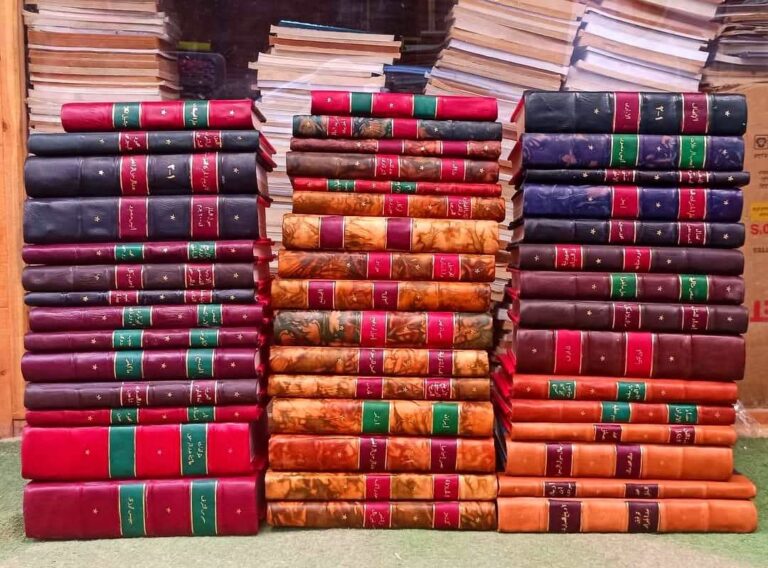
One of the most distinctive and impactful features of Arabic LearnCUID is its access to a living network of private Arabic libraries. These collections — curated by scholars, collectors, and cultural enthusiasts across Europe — form the backbone of a radically different kind of learning experience.
While most learners never step into a traditional library of Arabic texts, LearnCUID participants explore rare, beautifully preserved, and sometimes unpublished materials that would otherwise remain inaccessible. This initiative is one of the very few cultural learning programs in Europe that integrates private Arabic libraries into informal, digital education.
A Distributed Network of Private Collections
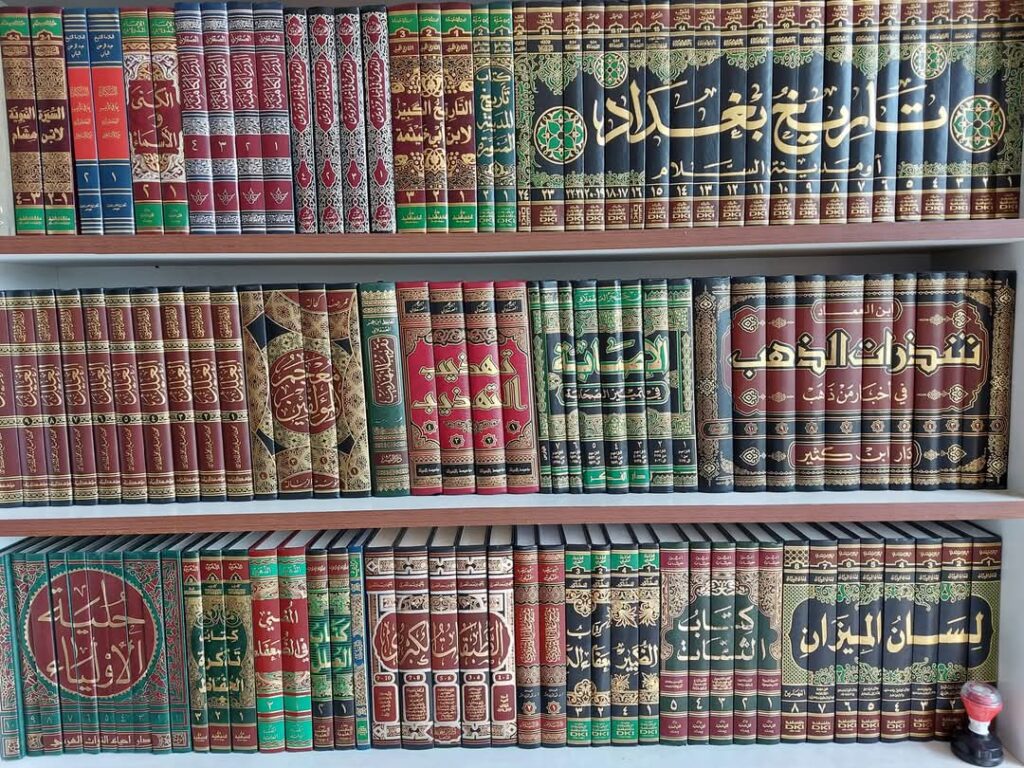
LearnCUID collaborates with a growing network of private collectors in countries such as France, Germany, Italy, and the Netherlands. These individuals open parts of their personal libraries — containing rare manuscripts, first editions, translations, and annotated volumes — to selected Arabic groups.
These collections often reflect the deep personal identity and heritage of the collectors, many of whom have roots in North Africa, the Middle East, or scholarly traditions in Arabic literature. Their libraries include:
Illuminated Qur’ans from the 16th–17th centuries
Scientific treatises from medieval Arabic scholars
Modern Arabic novels in translation
Contemporary graphic novels and youth literature
Anthologies of Arabic poetry in lesser-known European languages
“We saw a manuscript that wasn’t even digitized anywhere — it was passed to us through a collector in Frankfurt who loved astronomy and Arabic calligraphy.”
— Participant, Science & Cosmology Group
Why These Libraries Matter
These libraries are more than book collections — they are cultural vaults that preserve centuries of artistic, spiritual, and intellectual thought. Their inclusion in LearnCUID makes several key impacts possible:
Direct access to non-commercial Arabic texts
Rare materials shared outside of institutional gatekeeping
Curated themes aligned with each group’s research interests
Aesthetically rich materials that deepen cultural immersion
Participants often describe their experience as feeling like walking through a hidden museum, guided by a small community of readers.
A Model of Sharing and Trust
Access to these libraries is based on relationships of trust, respect, and cultural responsibility. Most collectors do not lend their books to public institutions but choose to share them selectively with LearnCUID groups due to the initiative’s educational and respectful framework.
In some cases, learners engage directly with the collectors — attending small group discussions, viewing collections virtually, or working with scanned materials.
This kind of access:
Supports rare material exploration in small research groups
Enables the co-creation of study materials from non-digitized books
Helps protect and honor the material heritage of Arabic cultures
Libraries as Cultural Bridges
These private libraries also serve a deeper symbolic function: they bridge past and present, East and West, private and public. For the collectors, sharing their libraries is an act of cultural transmission. For the learners, it is a chance to engage with culture through its most authentic artifacts.
“The books weren’t in a museum. They were in someone’s home. That changed how I saw them — not as relics, but as living objects.”
— Participant, Andalusian Heritage Group
A Rare Model in European Arabic Studies
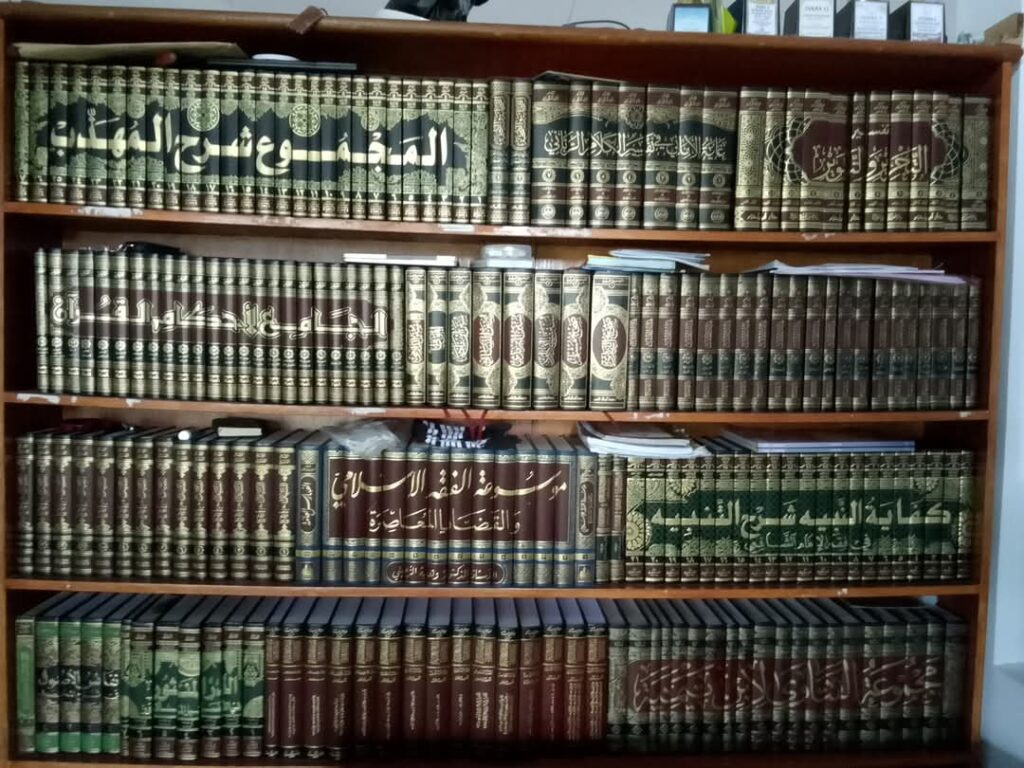
To date, LearnCUID is one of the only known initiatives in Europe to create this kind of informal yet academically valuable network of Arabic private libraries for educational use. This model offers:
A human-centered, personalized alternative to institutional archives
A more intimate and creative way to study Arabic culture
A scalable vision for decentralized, community-powered library access
It’s not just a different way to access books — it’s a different way to experience culture.